Sila Nuna
Sedna
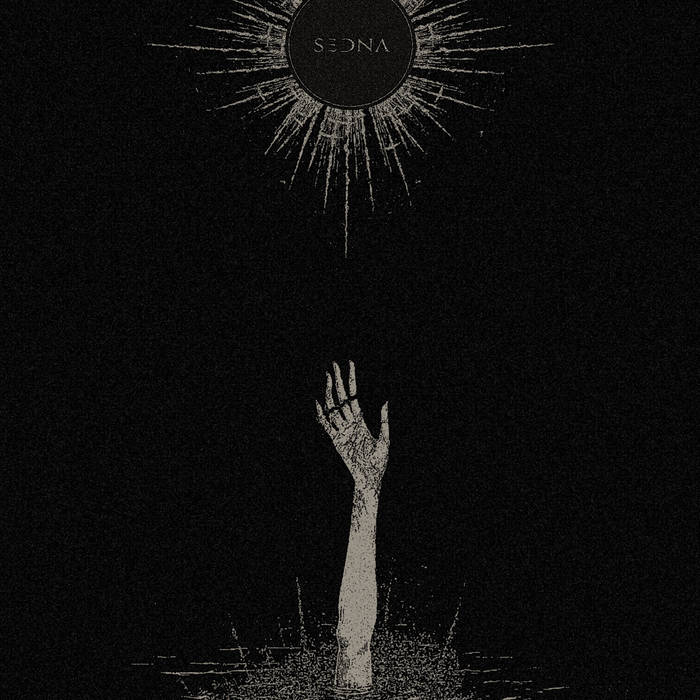
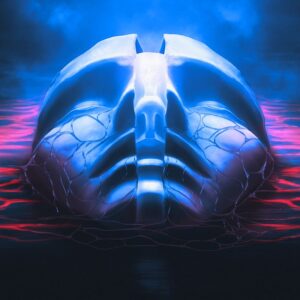
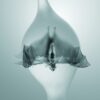
The Cesena-based band, known for its introspective nature and a discography steeped in darkness and intensity, continues to follow a coherent path of growth, distant from trends, deadlines, and external expectations. Since their inception, the group has always taken the necessary time to create music that feels authentic, essential, and deeply lived. With this record, the band embraces a more violent and aggressive sound, shortening song lengths to achieve a sharper, more immediate impact on the listener, while still preserving their experimental vein. The new album reveals a sound that is raw and instinctive yet more self-aware, one that merges the ferocity of black metal and the weight of sludge and post-metal with a refined melodic sensibility. It is an album that feels like both an open wound and a catharsis: visceral, direct, yet contemplative and profoundly human.
The album has ten songs, and "Niruaq" is first. It eases in slowly, with tense tones. Drums are added, and meaty bass notes, followed by vocal chants. You keep waiting for an explosion of sound that never comes…instead, the song revels in the shadows. "Torngarsuk" is another dark song that forgoes some of the naked aggression we hear in the genre. The vocals rage, and guitars screech at times, but again, it seems to be more about exploring the depths of the areas of our minds that give us pause. This album seems to redefine the work "tension" so far. "(Qimmuktuq I)" is the first of four shorter songs the listener might consider a segue to the next part of the album. "Amarok" has firm, dark, and thick tones, and the vocals are tortured. They sound like pleas from a dying man calling out to his God to end him. If only the Gods were so just. There are some somber melodies here as well, but they sound more in line with the vocal pleas.
"(Qimmuktuq II)" is the second segue piece, leading to "Tulugaq," which has a clean guitar strum in the beginning. As if it weren't depressing enough, strings add even more depths of suffering. The slower passages seem to mimic someone stopping time, and you are left with only your thoughts…which can be maddening. "(Qimmuktuq III)" is the next segue piece, and it either drives the nail further into your coffin or it begins to loosen it…the listener will have to decide that. "Arnajuinnaq" comes with that explosion I mentioned in the beginning…a towering wall of riffs and drums and anguished vocals that seem to echo in your head long after each note fades. "(Qimmaktuq IV)" is the final transition piece, and it takes on more of a heavy burden. You get the sense that there are no sun rays hidden behind rain clouds that might be able to provide you some warmth.
"Sedna" is the final song, and depressive tones reign. That first scream cuts right through your skin and becomes lodged in your soul. From there, the torture might last forever, and it lingers for what seems like years. This is an album that is not about a specific genre…it's about a world of possibilities. The experience is very personal, such that the listener can decide for themselves how it makes them feel. For me, it was a reminder of some of the mistakes I made in life, and in my innate ability to move past them. The darkness is there to serve you in whichever way you choose…good or bad.
9 / 10
Almost Perfect
Songwriting
Musicianship
Memorability
Production

"Sila Nuna" Track-listing:
1. Niruaq
2. Torngarsuk
3. (Qimmuktuq I)
4. Amarok
5. (Qimmukruq II)
6. Tulugaq
7. (Qimmuktuq III)
8. Arnajuinnaq
9. (Qimmuktuq IV)
10. Sedna
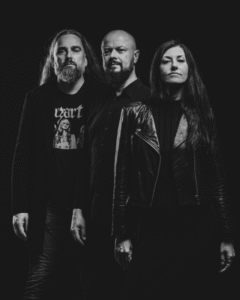
Sedna Lineup:
Alex Crisafulli – Vocals
Rolando Ferro – Drums
Mirko Abà – Bass
Lucio Minghetti – Guitars
More results...